Blog
Semi precious stones have fascinated humans for centuries with their dazzling colors and natural beauty. Alongside precious minerals and rare gems, these stunning creations of the Earth continue to inspire collectors and jewelers around the world. From royal crowns to modern jewelry, semi precious stones hold both aesthetic and geological importance.
In this guide, we’ll explore:
- The key differences between precious and semi-precious stones
- Top 5 precious minerals and what makes them rare
- Top 5 semi-precious gemstones with surprising value
- How rarity, color, and Origin affect worth
- Collector’s tips for identifying authentic specimens
What Makes a Mineral Precious vs. Semi Precious Stones?
Historically, only four gemstones were classified as precious minerals:
- Diamond
- Ruby
- Emerald
- Saphhire
These gems earned their status due to the following:
- Extreme rarity (limited geological formations)
- Exceptional hardness (Diamond = 10 on Mohs scale)
- Vibrant colour saturation (e.g., Burmese Ruby’s “pigeon blood” red)
Semi-precious stones, on the other hand, include:
- Amethyst
- Citrine
- Garnet
- Aquamarine
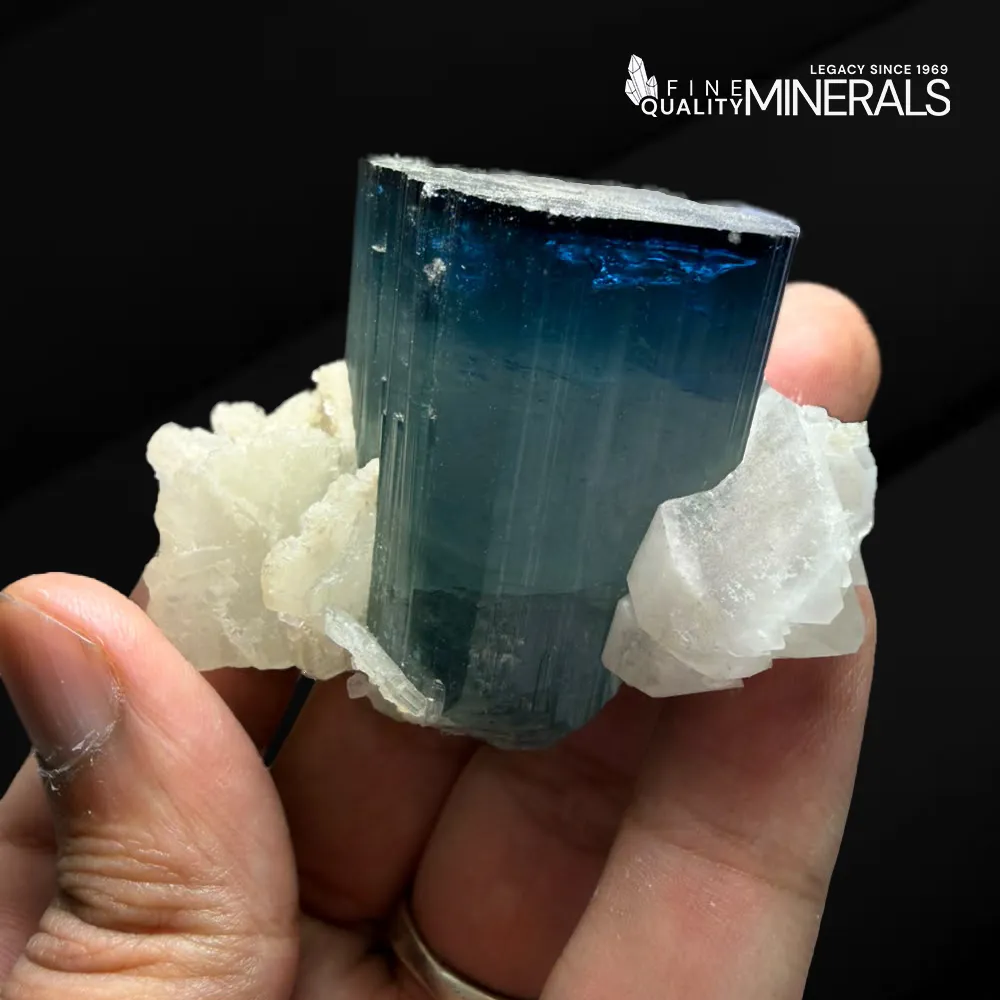
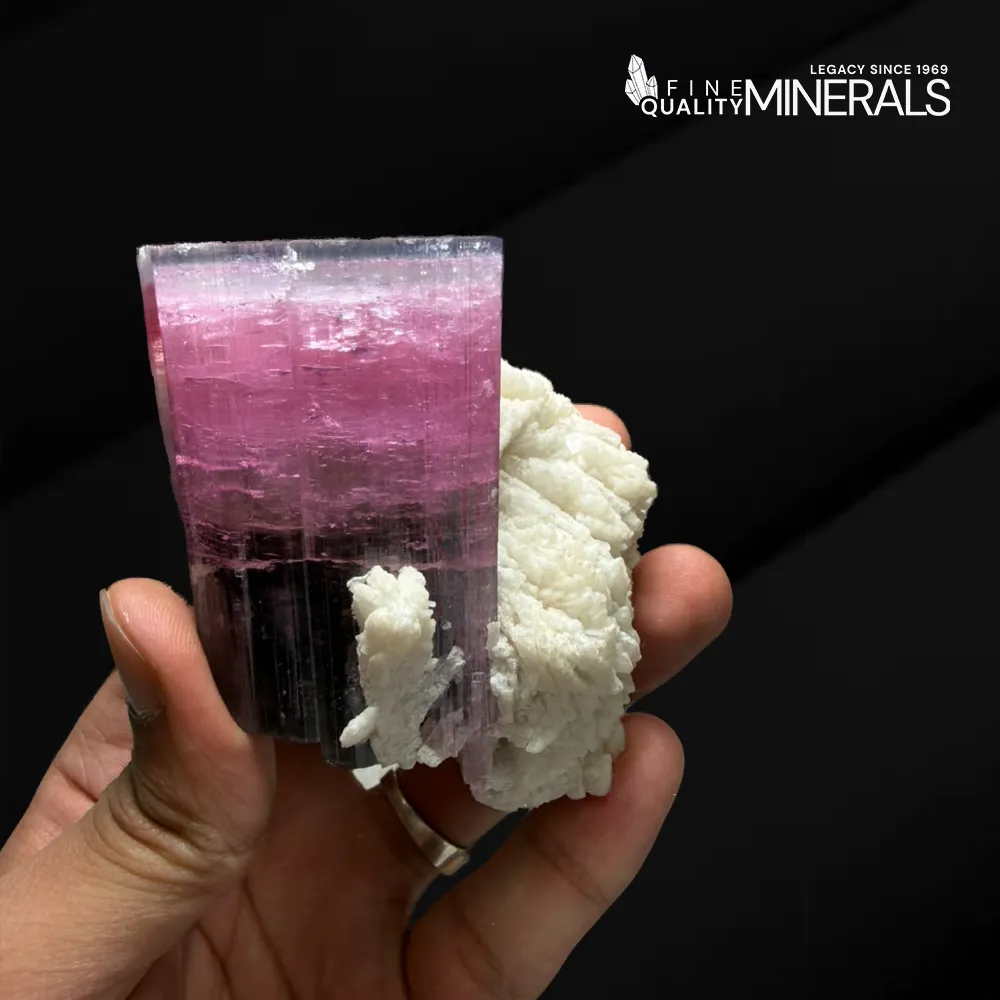
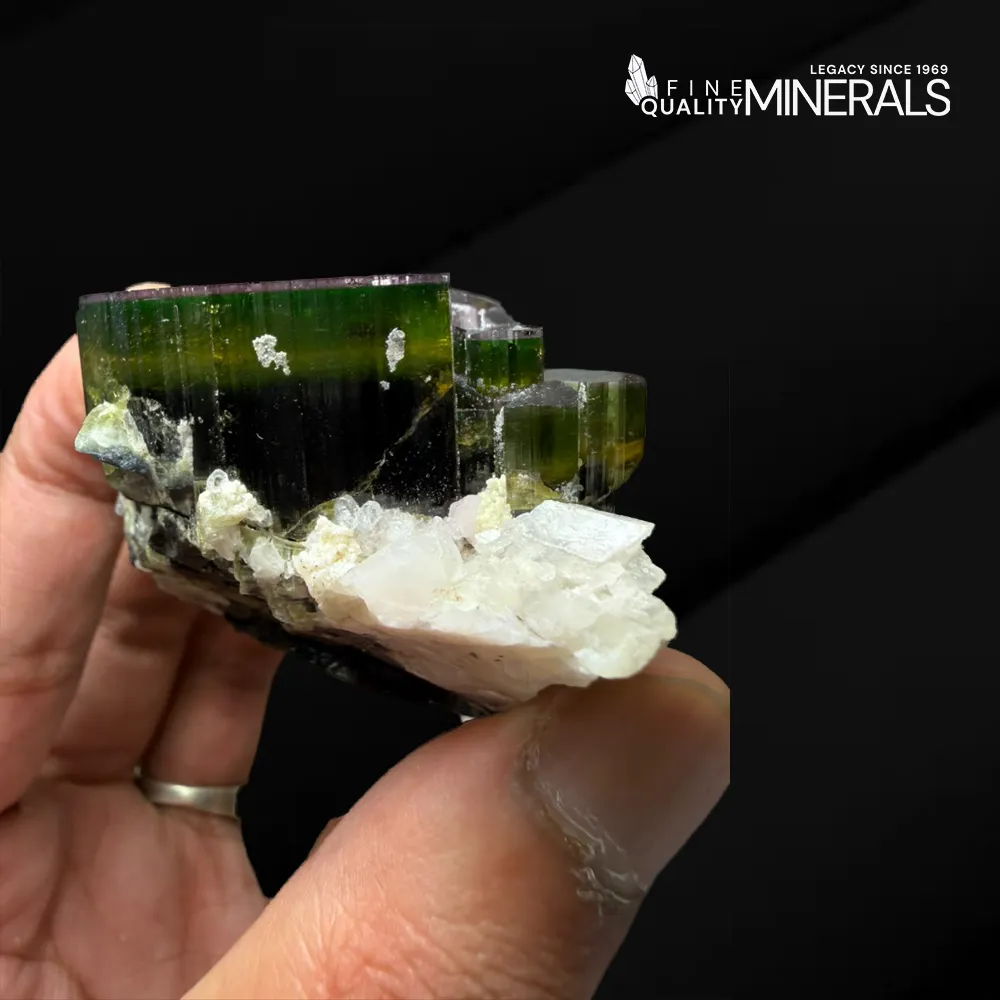
- Tourmaline
While more generative, some semi-precious gemstones (like Paraíba Tourmaline) can rival precious gems in value due to their distinct characteristics.
Top 5 Precious Minerals (And Why They’re So Valuable)
Introduction to Precious Minerals
While precious minerals like diamonds and rubies have long been prized, semi precious stones often share similar origins and allure, making them equally valuable to collectors.
1. Diamond

-
Why Precious?
The hardest natural material (Mohs 10), formed 100+ miles underground. -
Rarity Peak:
Colored diamonds (pink, blue) are 1 in 10,000 finds. -
Fun Fact:
The 59.6-carat Pink Star diamond sold for $71.2 million in 2017.
2. Alexandrite

-
Why Precious?
Its color-shift magic (green in daylight → red under lamplight) defies physics. -
Geological Oddity:
Only three mines worldwide produce quality specimens.
3. Ruby

-
Why Precious?
The rarest corundum variety. "Pigeon blood" red Burmese rubies command $1M+/carat. -
Science Behind Color:
Chromium creates its fire-like glow.
4. Emerald

-
Why Precious?
Its jardin (garden) inclusions are proof of natural formation. -
Top Source:
Colombia’s Muzo mines yield the purest green.
5. Sapphire

-
Why Precious?
Blue sapphires symbolize wisdom, but Padparadscha (sunset hues) are 1,000x rarer. -
Historical Note:
British royalty wears sapphires as "anti-bad luck" talismans.
Top 5 Semi Precious Stones (With Hidden Value)
While precious gems like diamonds and rubies steal the spotlight, semi precious stones hold their own with breathtaking beauty, fascinating geology, and surprising rarity.
What Makes a Stone "Semi-Precious"?
The term “semi-precious” is more historical than scientific, initially referring to gems that were more abundant than diamonds, rubies, emeralds, and sapphires. However, some semi-precious varieties (like Paraíba tourmaline or demantoid garnet) now rival precious stones in value due to their extreme rarity.
Why Collect Semi Precious Stones and Minerals?
Collectors value semi precious stones for their diverse origins, stunning colors, and affordability — making them perfect for both beginners and expert gem enthusiasts.
- Affordability with Beauty – Stunning hues and patterns at accessible prices.
- Geological Diversity – Each stone tells a story of Earth’s mineral-forming processes.
- Investment Potential – Rare varieties (e.g., red beryl) appreciate significantly.
- Metaphysical & Historical Lore – Many have cultural significance, like amethyst’s link to sobriety.
5 Must-Know Semi-Precious Stones
1. Amethyst: The Royal Purple Quartz

-
Why Special?
Its violet hues come from iron + natural radiation. -
Fun Fact:
Ancient Greeks believed it prevented drunkenness—wine goblets were carved from it! -
Rarity Peak:
"Siberian" deep purple amethyst is nearly extinct.
2. Aquamarine: The Mermaid’s Gem

-
Why Special?
Named for its seawater-blue tones (from iron impurities). -
Collector’s Tip:
Brazilian "Santa Maria" aquamarines have the richest color. -
Geology:
Forms in pegmatite veins, often with mica flakes.
3. Paraíba Tourmaline: Neon Electric

-
Why Special?
Its copper-infused blue-green glow is unmatched. -
Shocking Fact:
Mined for just 5 years before depletion—top specimens sell for $50K+/carat.
4. Demantoid Garnet: Diamond’s Fiery Cousin

-
Why Special?
More sparkle (dispersion) than diamond! -
Unique Trait:
"Horsetail" inclusions prove Russian origin. -
History:
A favorite of Victorian-era royalty.
5. Red Beryl (Bixbite): Rarer Than Diamond

-
Why Special?
Only found in Utah’s Wah Wah Mountains. -
Staggering Stat:
Fewer than 10 specimens exceed 5 carats. -
Market Trend:
Prices have risen 300%+ since 2000
How to Choose Quality Semi-Precious Stones?

Color Intensity
Vivid, saturated hues (e.g., "Siberian" amethyst) command premiums.

Clarity
Some inclusions add character (e.g., demantoid’s horsetails).

Origin Matters
Brazilian aquamarine > African in value.

Certification
Always request GIA or AGL reports for high-value pieces.
Did You Know? Many “semi-precious” stones were once considered precious! Amethyst was once classified alongside diamonds and rubies, but its status changed significantly with the discovery of vast Brazilian deposits in the 1800s.
Conclusion
Semi-precious stones prove that rarity isn’t the only measure of beauty. Whether you’re drawn to amethyst’s regal purple, Paraíba’s electric glow, or red beryl’s jaw-dropping scarcity, these gems offer collectors a world of discovery, without the premium price of diamonds.
Whether you collect rare diamonds or colorful semi precious stones, understanding their origins helps you appreciate Earth’s most beautiful creations.
Own a Piece of Earth’s Beauty:
Browse our collection of precious and semi-precious stones — rare specimens, museum-grade minerals, and gems that define true craftsmanship.