Blog
Gems of Pakistan: Complete Collector Guide to Mining Locations

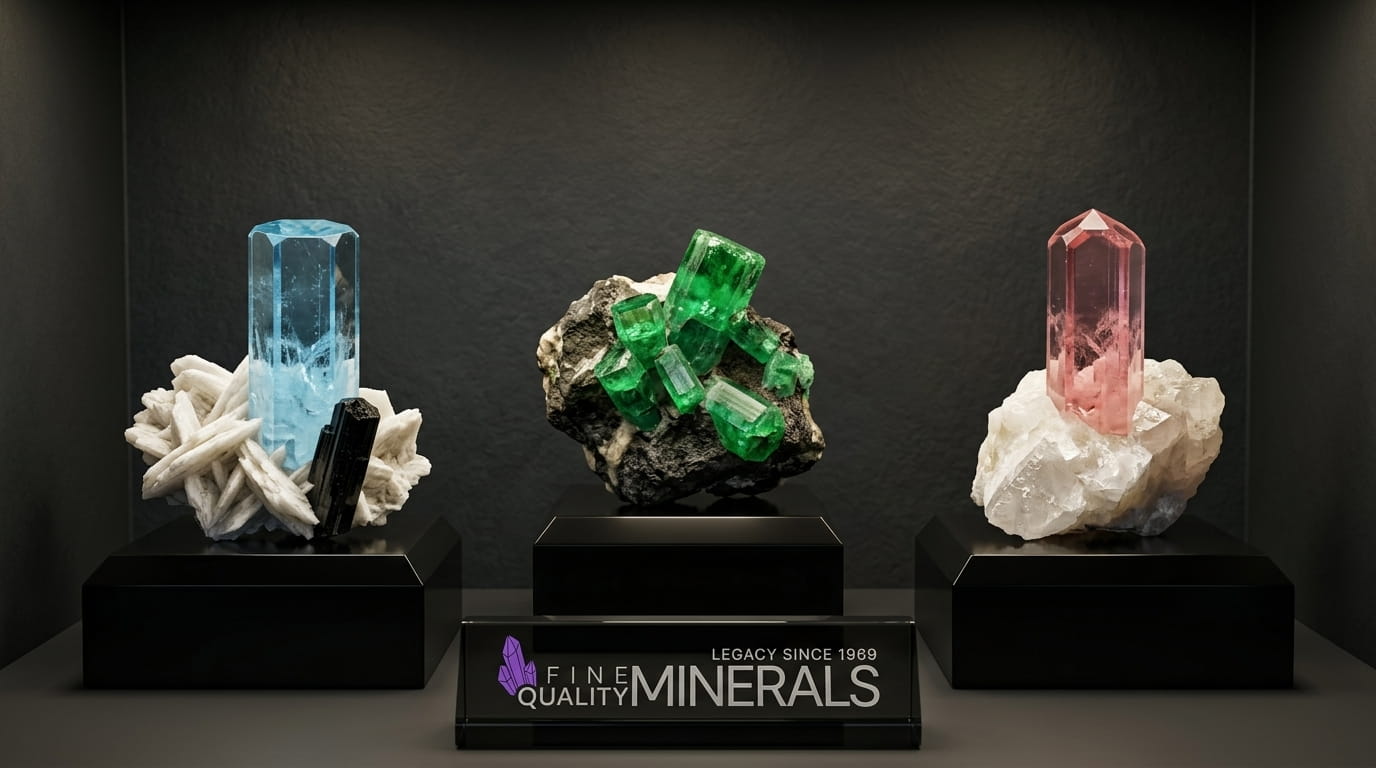
Stunning Pakistani Mineral Specimens: Complete Collector Guide to Mining Locations
Pakistan is home to some of the most dramatic mountain ranges on earth, where ancient peaks hold vast riches of natural crystals. For decades, collectors, museums, and crystal lovers across the globe have admired Pakistani mineral specimens for their bright colors, sharp shapes, and natural beauty. From icy blue crystals high above the clouds to deep green stones hidden in rugged hills, the gems of Pakistan tell a fascinating story of discovery and traditional hand mining.
If you want to build a world-class collection or simply want to understand where these natural treasures come from, knowing the exact valleys, towns, and mountains is essential. This guide takes you on a complete journey across the country, showing you the famous mining spots, what comes out of each location, and what to look for when choosing pieces for your own display cabinet.
1. Skardu and the Shigar Valley: The Capital of Blue Crystals
Located in the northern region of Gilgit-Baltistan, Skardu sits at the foot of massive mountains. The surrounding valleys, especially the Shigar Valley and Bhasha Valley, contain the most famous Skardu aquamarine mines in the world. Miners work at dizzying heights, often walking for days on steep trails over 10,000 to 14,000 feet high to reach the rocky crevices where crystals grow.
What Is Found Here:
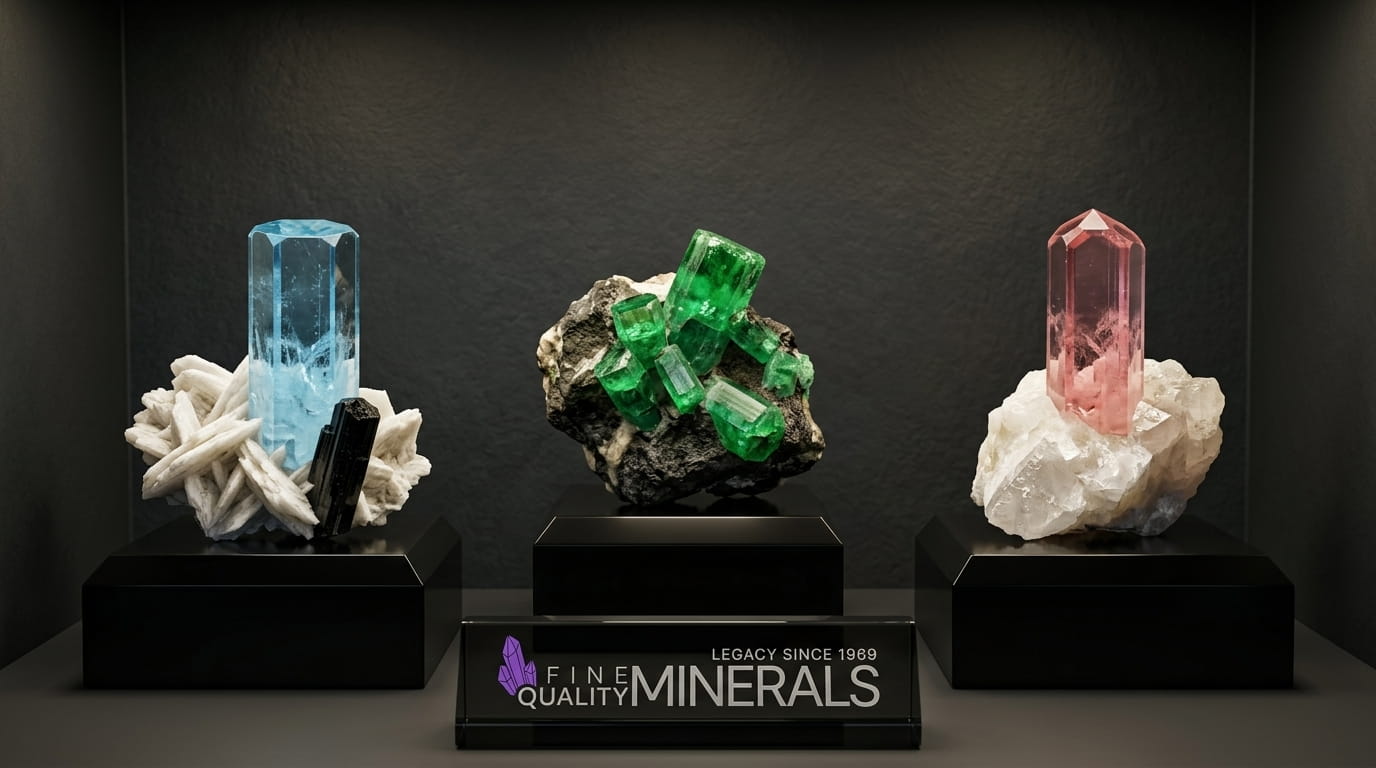
- Aquamarine: The signature find of the region. These crystals are shaped like clean hexagonal pencils and range from pale sky-blue to deep ocean-blue. The finest pieces are completely clear like glass.
- Black Tourmaline (Schorl): Jet-black, shiny pillars that grow alongside blue aquamarine, creating a striking contrast of dark and light.
- White Albite: Crisp, snowy white crystal plates that act as a natural stand for the blue and black crystals.
- Clear Quartz and Smoky Quartz: Water-clear, sharp quartz points that form together with aquamarine on the same rock.
- Topaz: Pale champagne, sherry, and clear topaz crystals with smooth, glass-like faces.

Collector Tip: The most prized pieces from Skardu are combination rocks. Instead of a loose blue crystal, look for a piece where a blue aquamarine and a black tourmaline sit together on snowy white rock base, completely untouched by modern cutting tools.
2. Swat Valley: The Home of Intense Green Emeralds
Farther west in Khyber Pakhtunkhwa lies the lush green Swat Valley, often called the Switzerland of Pakistan. Deep beneath its rolling green hills and rocky cliffs are the historic Mingora and Gujjar Kili mines. These mines produce the world-famous Swat valley emeralds, known across international markets for having some of the most vibrant green colors found anywhere in nature.
What Is Found Here:
- Emerald: Deep, vivid green crystals. While Swat emeralds are usually small, their rich color outshines almost any other green stone on earth. They grow embedded inside dark, crumbly rock.
- Fuchsite and Talc: Soft, silvery-green host rock that surrounds and protects the bright green crystals.
- Calcite: White streaks running through dark rock, framing the emeralds like tiny picture frames.

Collector Tip: Most emeralds around the world are cut into jewelry. Because of this, finding a complete, natural green crystal still resting inside its dark, natural mountain rock is very special. These natural display pieces are highly valued by private collectors and museums.
3. Katlang, Mardan: The Legendary Pink Topaz Hills
In the low hills of Katlang, located in the Mardan District, lies a single small hill called Ghundao. This modest site is the only known place in the country that produces the ultra-rare Katlang pink topaz. Unlike topaz found in sandy or granitic soil, these crystals form in veins of white rock.
What Is Found Here:
- Pink and Peach Topaz: Crystals that naturally show soft baby-pink, warm peach, and violet-red shades without any heat or lab treatment.
- White Calcite: Creamy white crystalline rock that holds the pink crystals firmly in place.

Collector Tip: Because the mining area is tiny and mining is done strictly by hand, very few top-quality pink crystals are found each year. A clear pink crystal standing out against pure white host rock is one of the rarest showpieces in the world of natural minerals.
4. Hunza Valley and Nagar: High-Altitude Ruby and Mineral Pockets
The Hunza and Nagar valleys are famous for their ancient castles, towering peaks, and crystal-clear rivers. High along the rocky mountain faces, local miners carefully search for hidden hollows filled with colorful stones.
What Is Found Here:
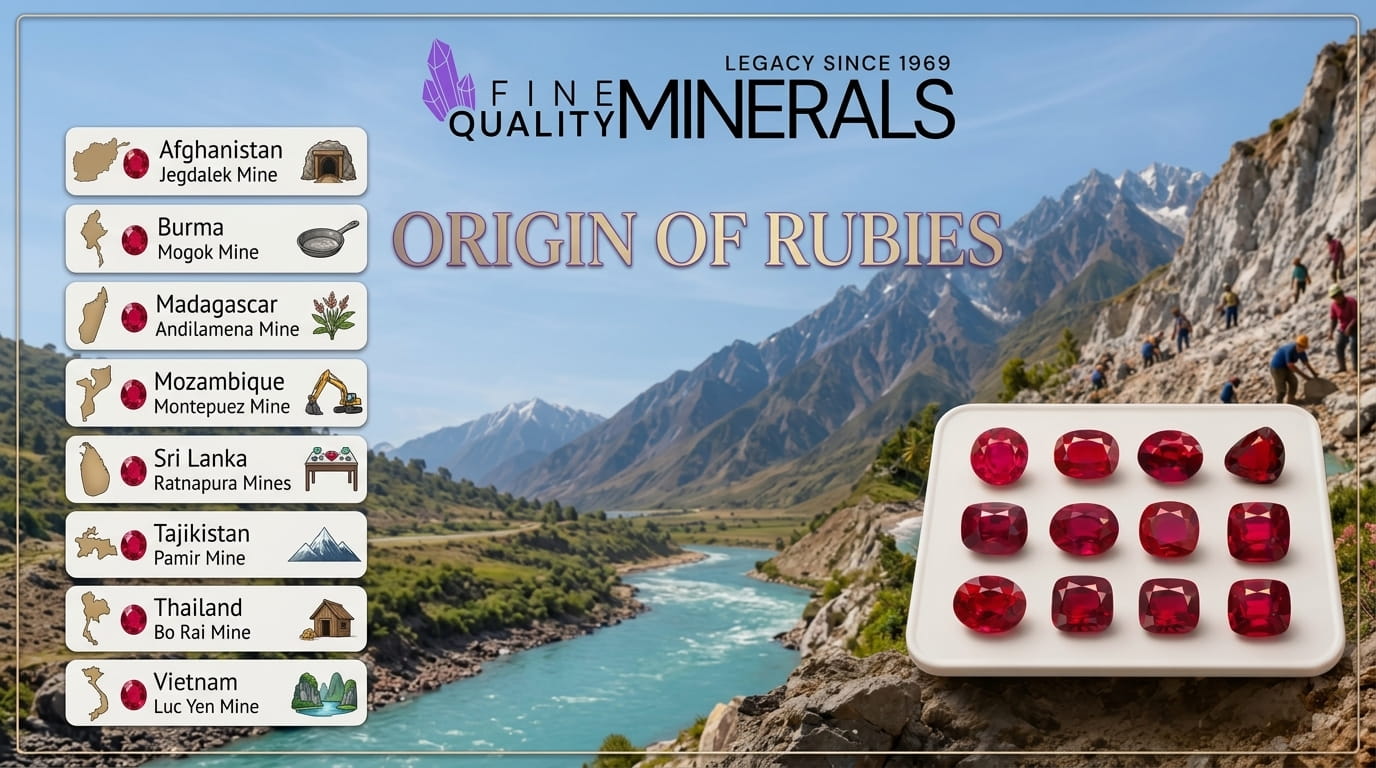
- Ruby and Pink Sapphire: Rich purplish-red and magenta crystals embedded in sparkling white rock. Hunza rubies have a bright, glowing quality under bright sunlight.
- Spinel: Shiny, eight-sided crystals that look like little double pyramids, coming in red, purple, and pastel pink.
- Golden Sphene: Shiny, honey-yellow and golden-brown diamond-shaped crystals from the mountain slopes of Nagar.
- Pargasite: Shiny, dark green crystals that often grow right beside pink rubies on white rock, creating a festive mix of green, pink, and white.
Collector Tip: When looking at Hunza specimens, look for the color contrast. A raspberry-colored ruby sitting on clean, sparkling white marble is a timeless classic for home and office displays.
5. Gilgit, Stak Nala, and Haramosh: Colorful Tourmaline Fields
Between Gilgit and Skardu lies a rugged gorge called Stak Nala, framed by the towering Haramosh mountain. This steep river valley is famous among rockhounds worldwide for producing iconic two-color tourmaline crystals.
What Is Found Here:
- Bi-Color Tourmaline: Long, pencil-like crystals that have dark green or black lower sections and bright, glassy mint-green tops.
- Cleavelandite: Beautiful flower-like clusters of white, curved crystal blades that surround the tourmaline pillars.
- Garnet: Dark red, roundish crystals tucked into the crevices between white crystal blades.

Collector Tip: Stak Nala pieces are instantly recognizable because the tourmaline crystals look like little green hats sitting on top of dark stems, nestled in white flower-like rock clusters. Keep an eye out for undamaged crystal tops, as these tips are the most delicate part of the piece.
6. Kohistan: The Green Peridot Meadows of Supat
High in the Supat Valley of Kohistan, near the summer pastures at 13,000 feet, miners work only during the warm summer months when the snow melts. This remote highland produces world-class olive-green crystals known as peridot.
What Is Found Here:
- Peridot: Bright lime-green and olive-green crystals. While most peridot in the world is found as small broken grains, Supat produces large, blocky crystals with smooth faces.
- Ludwigite: Fine, dark needle-like inclusions sometimes trapped inside the green crystals.
- Magnetite: Dark, heavy crystals found in the same mountain rocks.
Collector Tip: Look for rich olive or apple-green color without brown tints. The larger and cleaner the green crystal face, the more desirable it is for your collection.
7. Balochistan: Rugged Deserts of Quartz and Green Epidote
Stretching across the dry, sun-drenched hills of southwest Pakistan, Balochistan is a vast land of hidden mineral wealth. Districts like Kharan, Zhob, and Taftan near the border produce unique crystals shaped by dry desert conditions.
What Is Found Here:
- Faden Quartz: Remarkable flat quartz crystals that show a fuzzy white thread running straight through their center. They grow in rock cracks that slowly pulled apart over time.
- Diamond Quartz (Balochistan Diamonds): Small, double-pointed quartz crystals that are as shiny and clear as cut diamonds, often containing tiny drops of ancient water or black petroleum inside.
- Epidote: Shiny, deep forest-green and pistachio-green crystal fingers that look like polished glass rods.
- Brookite: Thin, shiny reddish-brown and dark golden blades sitting on white quartz rock.
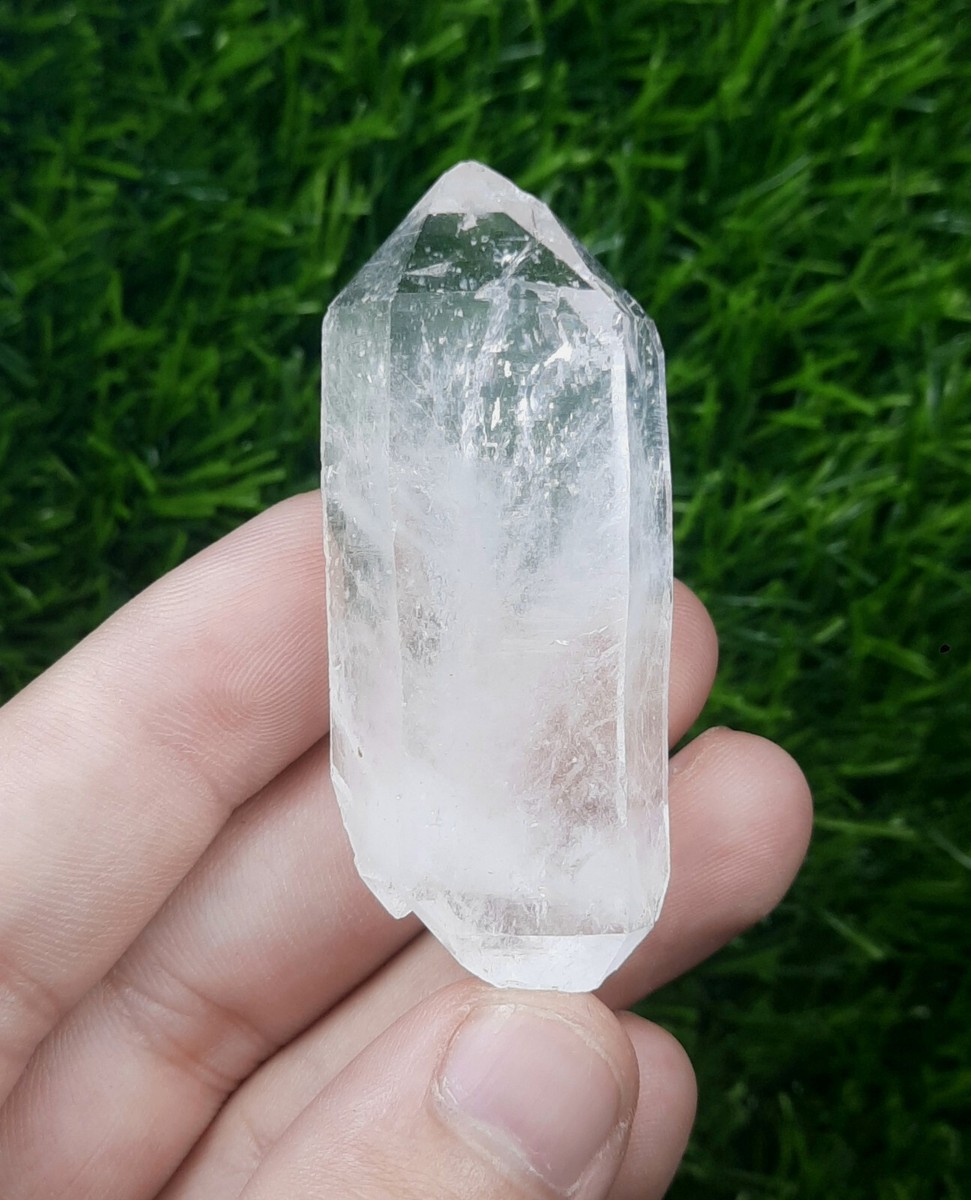
Collector Tip: Balochistan crystals offer incredible shine. Double-pointed clear quartz pieces from this region reflect room light like real cut jewels without ever being touched by a polishing wheel.
Summary Guide to Pakistan’s Key Mining Locations
| Mining Region | Primary Valleys / Towns | Main Crystals Found | Visual Signature |
|---|---|---|---|
| Skardu & Shigar | Dassu, Shigar, Bhasha | Aquamarine, Black Tourmaline, Albite, Topaz | Sky-blue crystal pencils on white crystal plates |
| Swat Valley | Mingora, Gujjar Kili | Emerald, Fuchsite, Calcite | Vivid green crystals resting inside dark mountain rock |
| Mardan | Katlang, Ghundao Hill | Pink Topaz, White Calcite | Natural baby-pink crystals on sugar-white rock |
| Hunza & Nagar | Aliabad, Karimabad, Nagar | Ruby, Spinel, Golden Sphene, Pargasite | Bright red and pink crystals on sparkling white marble |
| Gilgit | Stak Nala, Haramosh | Two-color Tourmaline, Cleavelandite | Green-capped tourmaline on flower-like white rosettes |
| Kohistan | Supat Valley | Peridot, Magnetite | Lustrous apple-green and olive-green blocky crystals |
| Balochistan | Kharan, Zhob, Taftan | Faden Quartz, Clear Diamond Quartz, Epidote | Glass-clear, shiny double-pointed crystals and green rods |
How to Choose Authentic Pakistani Specimens
When collecting Pakistani mineral specimens, authenticity and natural preservation matter most. Here are four simple rules to keep in mind:
- Keep It Natural: The best pieces are completely unheated and untreated. Always ask if a crystal retains its natural mountain color.
- Look for Intact Tips: Inspect the top and edges of the crystal. Clean, sharp crystal faces without chips or cracks carry the highest quality.
- Value the Host Rock: A crystal that grew naturally on its mountain base is much rarer than a loose crystal that fell off. Make sure the crystal grew there naturally and was not glued on.
- Verify the Location: Always buy from people who source directly from the mining valleys. Knowing the exact mountain, valley, or town gives your crystal lasting value and history.
Start Your Collection Today
Every natural crystal from Pakistan carries millions of years of earth history from the highest peaks on our planet. Whether you love the icy blue color of Shigar, the deep green of Swat, or the desert shine of Balochistan, these natural treasures bring timeless mountain beauty into any space.
Browse our hand-selected, untreated crystals in our Online Mineral Gallery, read more stories in our Educational Guides, or reach out to our team at the Acquisitions Desk to find a special piece for your home.