Blog
Paprok Tourmaline: Pegmatite Color Zoning and Collector Valuation

Paprok Tourmaline: Pegmatite Color Zoning and Collector Valuation
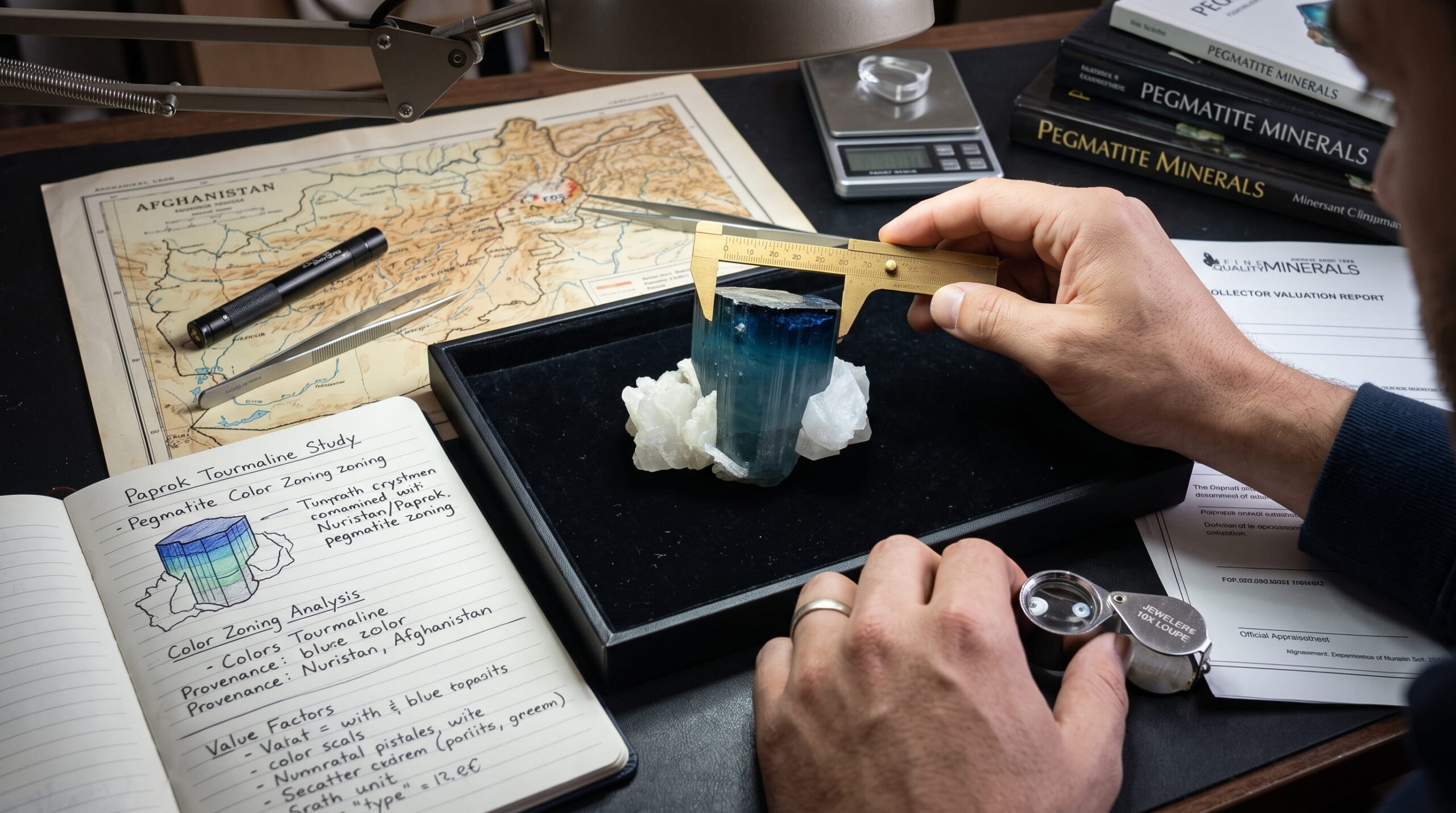
Paprok tourmaline has earned its reputation because of its color, crystal quality, and the locality it comes from. Collectors recognize specimens from Paprok for their clean crystal faces, bright luster, and natural color zoning that often combines pink, green, colorless, or darker terminal caps within a single crystal. Many of the finest pieces are preserved on matrix, making them highly desirable for mineral collections.
Paprok is located in Nuristan Province, northeastern Afghanistan, within one of the world’s best-known rare-element pegmatite districts. The locality has produced museum-quality tourmaline for decades alongside quartz, cleavelandite, lepidolite, spodumene, topaz, beryl, and many other pegmatite minerals. These associations make Paprok one of the most respected sources of collector-grade elbaite.
Where Does Paprok Tourmaline Come From?
The Paprok mining area lies within the Hindu Kush mountains in Nuristan. It is part of a group of lithium-rich granitic pegmatites that crystallized from late-stage magmatic fluids. These pegmatites are known for concentrating rare elements such as lithium, boron, cesium, tantalum, and beryllium, creating ideal conditions for colorful elbaite tourmaline to grow.
Collectors often associate Nuristan pegmatite minerals with exceptional crystal quality because the pockets within these pegmatites allowed minerals to develop slowly. Instead of massive rock, miners sometimes uncover open cavities lined with sharply formed crystals that remain attached to cleavelandite, quartz, or lepidolite.
Why Colour Zoning Makes Paprok Tourmaline Special
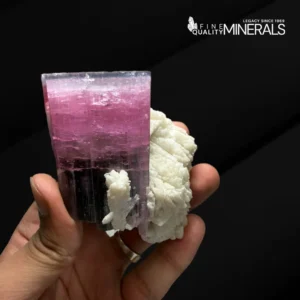
Color zoning is one of the first features experienced collectors notice. Rather than displaying one uniform color, many Paprok crystals record changes that occurred while the crystal was growing. As the chemistry inside the pegmatite pocket changed, different parts of the crystal incorporated different elements, producing distinct color zones.
Some crystals show axial zoning, where green gradually changes into pink along the crystal’s length. Others display concentric zoning, where a pink core is surrounded by colorless and green outer layers. When cut across the crystal, these patterns resemble the colors of a watermelon, giving rise to the collector term watermelon tourmaline on matrix.
The finest examples combine strong transparency with clean transitions between colors. Instead of appearing blended or cloudy, each color zone remains easy to see under natural light. That balance of clarity and color is one reason Paprok specimens consistently attract collector interest.
Bicolour and Multicoloured Elbaite
Many collectors specifically search for bicolor tourmaline elbaite because each crystal tells a slightly different growth story. One specimen may display a green body with a pink termination, while another develops a pink core wrapped in green. Dark terminal caps, pale colorless sections, and occasional blue or olive tones add even more variety.
No two crystals are exactly alike. That individuality makes each specimen feel unique, even when two pieces come from the same pegmatite pocket. For collectors, this natural variation is part of Paprok’s appeal and one reason exceptional specimens command strong demand.
Matrix Aesthetics and Crystal Associations
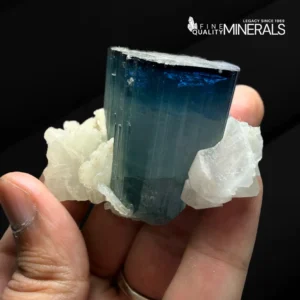
Many collectors prefer an Afghan gem tourmaline that remains attached to its original matrix instead of a loose crystal. A natural matrix adds geological context and often creates a stronger display. At Paprok, the most desirable combinations include tourmaline growing on white cleavelandite, quartz, smoky quartz, or lepidolite. The contrast between a vivid crystal and a pale matrix is one of the visual signatures of this locality. :contentReference[oaicite:0]{index=0}
A well-balanced specimen does more than show an attractive crystal. The matrix should support the crystal without hiding it, and any associated minerals should complement the display instead of competing for attention. Collectors often look for specimens where the tourmaline appears naturally perched on the matrix, preserving the appearance of the original pegmatite pocket. :contentReference[oaicite:1]{index=1}
What Determines Collector Value?
The value of Paprok tourmaline depends on several factors working together. Color is usually the first thing buyers notice, but it is rarely the only consideration. Experienced collectors also examine crystal form, transparency, luster, termination, matrix quality, condition, and documented locality.
A crystal with bright, well-defined zoning is generally more desirable than one with muted or poorly separated colors. Transparent or gemmy areas increase visual appeal, while sharp prism faces and complete terminations show that the crystal survived mining and preparation with minimal damage. Matrix specimens often command higher prices because removing crystals from delicate pegmatites without breakage is difficult. :contentReference[oaicite:2]{index=2}
Condition also matters. Small contact marks may be acceptable on older specimens, but chips, repaired terminations, or reattached crystals should always be disclosed. Many museum-quality specimens have minor repairs, yet their value depends on honest documentation and overall aesthetics. :contentReference[oaicite:3]{index=3}
Buying Tips for Collectors
Before purchasing a bicolor tourmaline elbaite, examine the specimen under good lighting and from multiple angles. Look for natural color transitions, sharp crystal faces, and a termination that has not been polished or altered. If the specimen is on matrix, inspect the contact between the crystal and the host rock for signs of repair.
Ask the seller about the specimen’s provenance. Older collection labels, dealer records, or photographs from previous collections can strengthen confidence in a Paprok attribution. Provenance becomes increasingly important as specimen value increases. :contentReference[oaicite:4]{index=4}
Caring for Paprok Tourmaline Specimens
Although tourmaline is relatively hard, matrix specimens require careful handling. Cleavelandite, quartz, and lepidolite can chip if the specimen is dropped or stored loosely with other minerals. Hold the specimen by the matrix whenever possible instead of lifting it by the crystal.
Dust can usually be removed with a soft brush or gentle air blower. Avoid household cleaners, harsh chemicals, or ultrasonic cleaning unless you know the specimen can safely tolerate them. Proper storage helps preserve the crystal’s natural luster and protects delicate matrix minerals for years to come.
Final Thoughts
Paprok tourmaline continues to be one of the most respected collector minerals from Afghanistan. Its combination of vivid color zoning, well-formed elbaite crystals, and attractive pegmatite matrix has made it a favorite among mineral collectors worldwide. Whether you are drawn to a classic watermelon tourmaline on matrix, a striking bicolor tourmaline elbaite, or another fine Afghan gem tourmaline, the best specimens combine beauty, condition, and reliable provenance.
At Fine Quality Minerals, we specialize in carefully selected collector specimens from renowned localities, including the famous Nuristan pegmatite minerals and Natural Tourmaline Specimens. Every specimen is chosen for its natural character, mineralogical interest, and display quality, helping collectors build collections with confidence.